
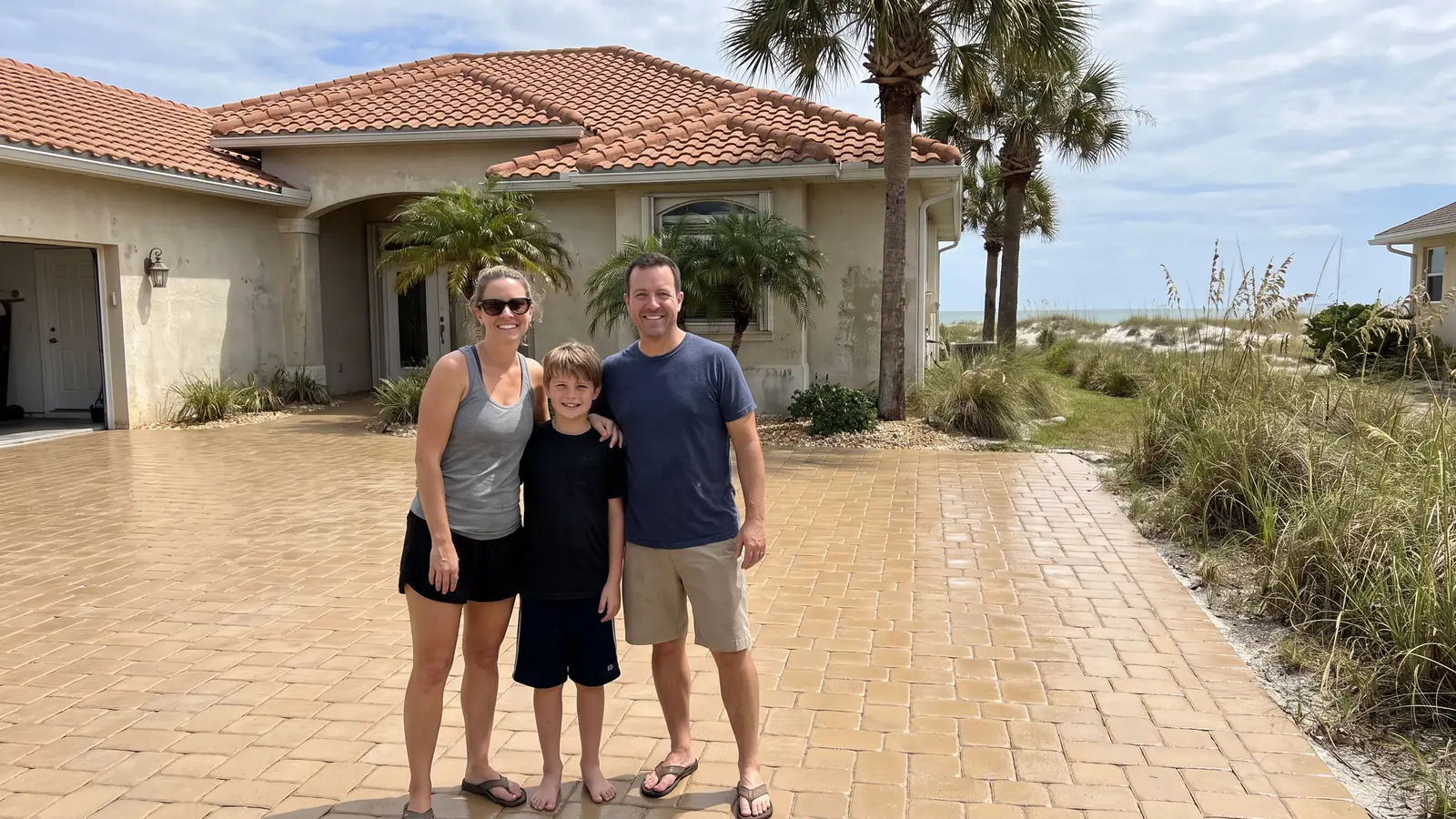
Color that lasts and joints that stay full
Paver Sealing in Anastasia Island, FL
Ask for a free paver sealing estimate on your Anastasia Island driveway, pool deck or patio at (904) 274-8546.
- Brings out deeper paver color
- Fresh joint sand helps lock pavers in place
- Gives weeds less room to grow
- Makes the surface easier to keep clean
- Free estimate, no obligation
Request a Free Estimate
Free, no obligation.
Who seals pavers on Anastasia Island, and how fast will I hear back?
A local contractor seals driveways, pool decks and walkways on Anastasia Island, FL, and you will hear back within 1 business day, often much sooner. The estimate is free, and booking is up to you. To start, call (904) 274-8546.
A good coat deepens paver color, helps hold the joint sand and makes a surface easier to sweep and wash, according to Unilock, a paver maker. Think of a pool deck gone chalky and gritty, then bright again with sand packed to the top of every seam. Salt matters here, since Nicolock says airborne salt can crystallize on a surface as it dries. Say which areas matter most when you ask for a free estimate.
Paver Sealing Anastasia Island Is Proud to Serve Northeast Florida
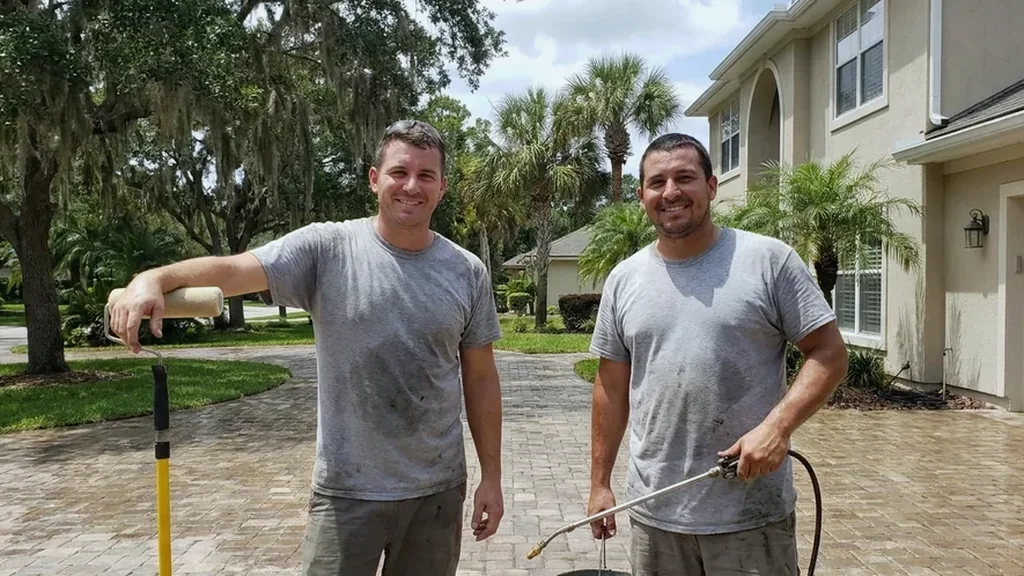
What does a paver sealing job on Anastasia Island include?
A full sealing job has four parts, and the cleaning takes the longest. Each part is below. Call (904) 274-8546 to find out which ones your surface needs.
Walk and measure
The area gets measured, and sunken, cracked or puddling pavers get noted along with any old sealer and rust marks.
Deep clean
Salt residue, green film and dirt come off with a cleaner suited to the stain and a rinse at safe pressure.
New joint sand
Polymeric sand fills each gap, which keeps pavers from drifting and leaves less room for weeds.
Sealer coat
Even passes of sealer go on only after the pavers have dried all the way through.
How can I tell my island pavers need sealing?
Faded color is what most people notice first. Joints sunk below the paver edges, sand swept onto the drive by a storm and a surface that darkens the moment the hose touches it are other signs. A shady edge gone green is one more. The St. Augustine company says a recoat is due once water stops beading. Want someone to look at yours? Call (904) 274-8546.
Which sealer suits a coastal home on Anastasia Island?
Unilock favors water-based sealer where it works, since the tools clean up with water and it leaves a matte or low-gloss look. It calls solvent-based sealer more durable and better for a high-shine finish, though it needs fully dry pavers and joints. Call (904) 274-8546 and ask which one the contractor would pick for your pavers.
A St. Augustine paver company splits the choice by material. It uses a breathable silane or siloxane penetrating sealer on old clay brick, a film acrylic on concrete pavers and a salt-tolerant penetrating coat with grit on pool decks. Film on brick can trap moisture and leave a white haze. Ask what is planned for each area when you ask for a free estimate.
Wet look or natural finish: which suits a beach home?
A wet look deepens the color and adds shine, and a natural finish stays closer to bare pavers. Unilock warns that high gloss can turn slick when wet, so footing matters on a pool deck or a front step, and that a penetrating matte coat keeps more traction. Have the contractor lay a sample of each finish on a few pavers when you ask for a free estimate.
How often should pavers on Anastasia Island be resealed?
Unilock says to reseal every three to five years. A St. Augustine paver company says to plan on every two to three years near the Matanzas River or the bayfront and about every four years elsewhere. Salt is the reason for the shorter number. If rain soaks in instead of beading, the coat is wearing thin. To have a contractor check yours, call (904) 274-8546.
Does more sealer mean more protection?
No, piling on sealer does not buy extra years. Unilock says extra layers can cause uneven gloss, and that a heavy coat or a second coat put on too soon can leave a whitish film. It also says to seal the whole area in one session so coats do not overlap. A quote that sells three or four coats as bonus protection deserves a second look before you ask for a free estimate.
When is the right time to seal pavers on the island?
Schedule the job for a dry spell, and let new pavers settle in before any coat goes on. Unilock says to wait 60 to 90 days after installation, and for efflorescence to clear, which takes 2 to 3 months and sometimes up to a year. A coat put on early holds that haze in place. Installed recently? Give the contractor the date when you call (904) 274-8546.
Unilock also wants 24 to 48 hours of clear weather around the job, temperatures between 50 and 90 degrees and the sprinklers off. Island afternoons bring storms, so the date can move with the forecast. A St. Augustine company starts on mornings with no rain expected for 24 hours. To pick a day that fits the weather, ask for a free estimate.
Can sealer fix pavers that have sunk or heaved?
No, a coat cannot lift a paver or close a gap. Unilock says sealing does not solve drainage or base problems, so low spots and rocking pavers need repair first. Find out whether resetting them is in the quote or priced apart. Point out any loose or low areas when you ask for a free estimate.
Which paver surfaces on the island can be sealed?
Any outdoor paved area can take a coat, from the driveway to the lanai deck. Wear differs from one to the next, so each plan should too. Mention the spot you dislike most when you ask for a free estimate.
Driveways
A driveway collects tire marks, oil drips and wind-blown sand. Sealing the driveway keeps the joints full where the car turns every day.
Pool decks and lanai floors
Splash, sunscreen and bare feet all land on a pool deck. Sealing a pool deck should leave it clean with grip that holds when wet.
Patios
A patio behind a beach house sees sand, salt mist and shade from the trees. Sealing a patio starts with clearing the green film from the shaded corners.
Walkways and entries
The walk to the front door picks up sand, mulch and soil from the beds beside it. Sealing that path is a small job, and it is the first thing a guest steps on.
What wears pavers down on Anastasia Island?
Five things wear on pavers here: salt, sand, low-yard salt, damp shade and rust from sprinklers. Each is easier to fix early than late. Call (904) 274-8546 and describe which of these you see.
1. Salt in the air
Nicolock, a paver maker, says airborne salt can crystallize on a surface as moisture dries and may wear lower density pavers. Island homes sit close to the water, so the salt arrives every day.
2. Sand on top and gaps below
Beach sand blows across the surface while storms pull sand out of the joints. A St. Augustine paver company says nor'easters can empty paver joints, and Nicolock suggests checking joint sand from time to time.
3. Salt left in low yards
The same St. Augustine company says king tides can leave salt in the pores of low yards. St. Augustine Beach sits about 10 feet above sea level, so a low lot on the island is not hard to find.
4. Green film in damp shade
Live oak shade keeps surfaces damp, and that company says it invites mildew on north-side areas. A shaded walk or a lanai edge is where the green shows up first.
5. Rust marks from sprinklers
Sprinklers fed by a well can leave iron stains on pavers, the same company says. Those marks need treating before any sealer goes over them.
What does paver sealing cost on Anastasia Island?
A St. Augustine paver company publishes about $1.50 to $3.25 per square foot to clean and seal, and says most local jobs land between $500 and $3,000. Prep drives the price more than the sealer does, so heavy mildew, rust, failed old film and joint refilling move a job up. For a written price on your own house, ask for a free estimate.
Thinking a wash might be enough? The paver cleaning and joint sand guide covers it. Every covered town is listed on the service areas page, and the home page says more about paver sealing in Anastasia Island.
| Paved area | Typical example | Clean, sand and seal |
|---|---|---|
| 300 sq ft | Small patio or walkway | $450 to $975 |
| 600 sq ft | Two car driveway | $900 to $1,950 |
| 1,000 sq ft | Large driveway or pool deck | $1,500 to $3,250 |
| 1,500 sq ft | Driveway plus pool deck | $2,250 to $4,875 |
Math based on the $1.50 to $3.25 per square foot that Northeast Florida paver companies published as of November 2026. Your contractor sets the actual price after seeing the surface. Repairs, leveling and stripping failed sealer are usually extra.
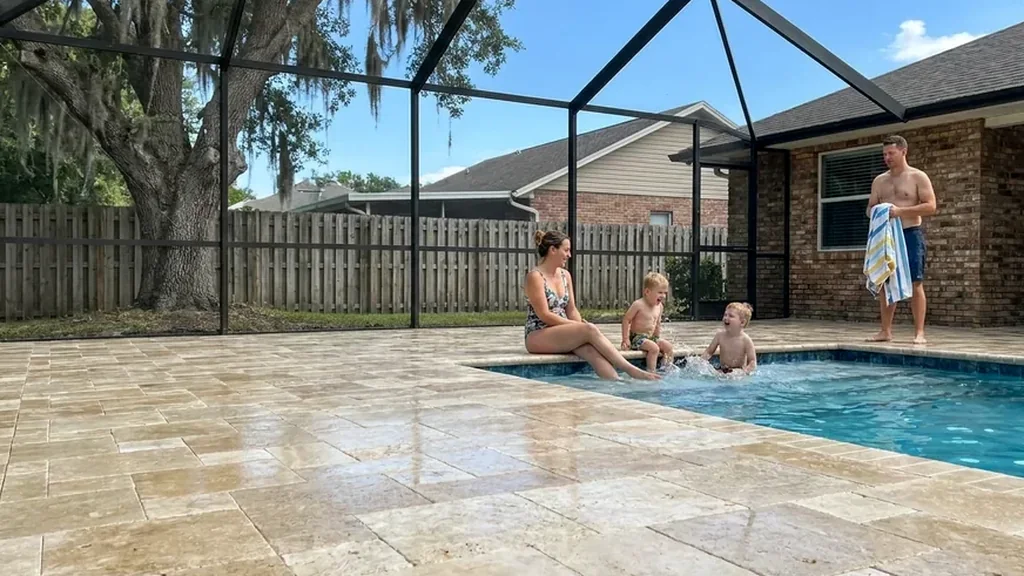
Why hire a contractor who knows the island for paver sealing?
A contractor who covers the island has dealt with salt, blowing sand and afternoon storms before. Have the quote written down, then sleep on it before you answer. To begin, call (904) 274-8546.
Contractors used to island conditions
A contractor who covers Anastasia Island has worked in the salt air, blowing sand and afternoon storms your pavers sit in. The plan for your job starts from that.
A free visit with no strings
The estimate costs nothing, and a no is an acceptable answer. You owe the contractor nothing until you sign.
Published prices to compare
Paver companies in St. Augustine post what they charge by the square foot. Hold any quote up against those figures before you agree.
Time to think it over
Nobody has to decide on the driveway. Ask for the price in writing, and read how to vet a paver contractor before you pick one.
Ready for a free sealing estimate on Anastasia Island?
Call, or fill in the short form. A reply comes within 1 business day, often much sooner.
Free, no obligation
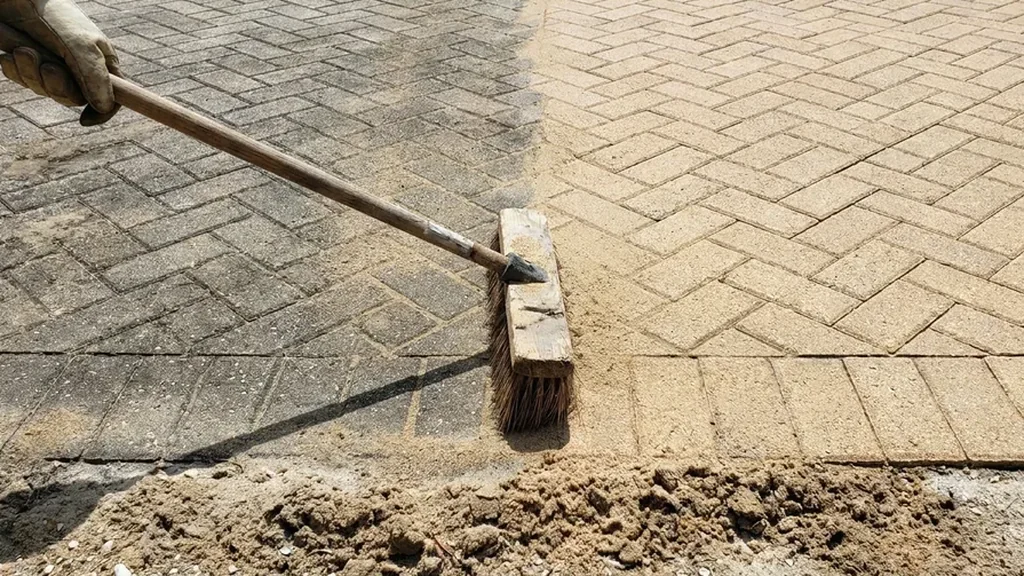
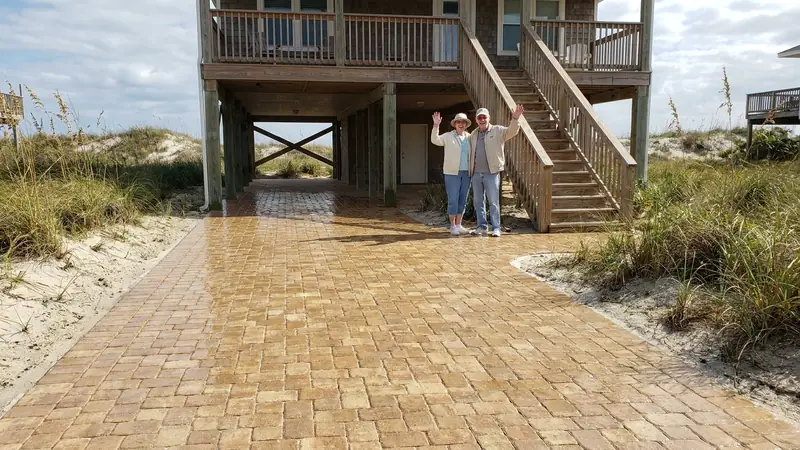
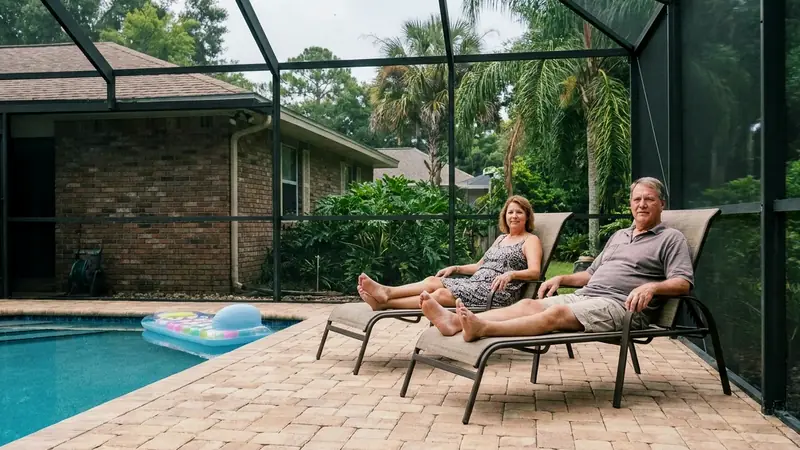
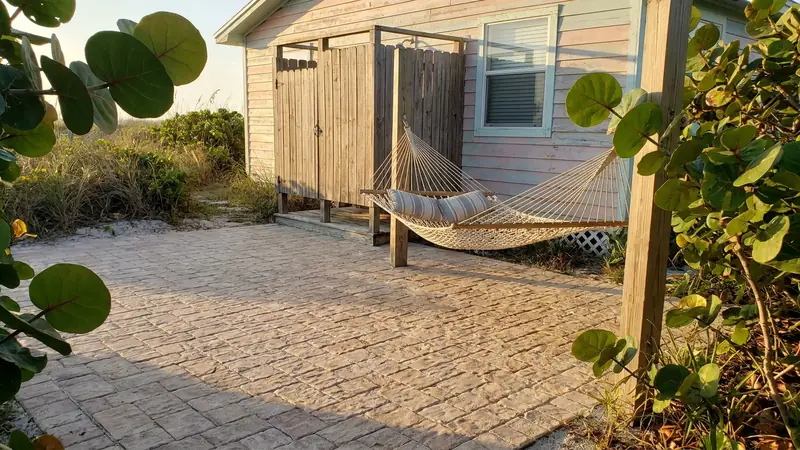
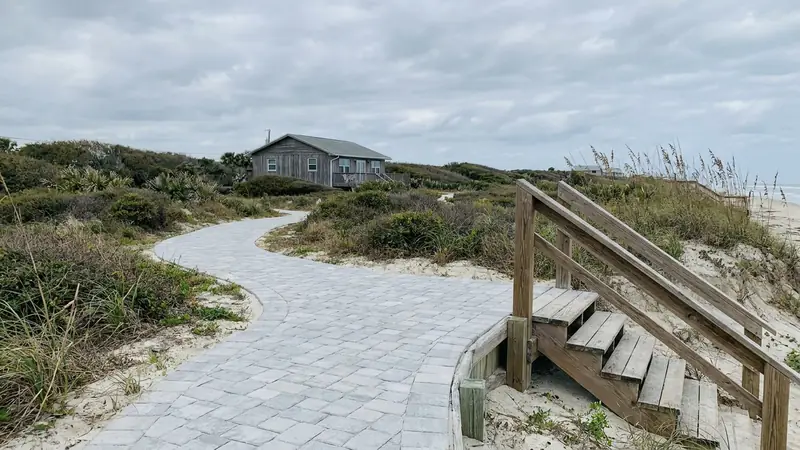
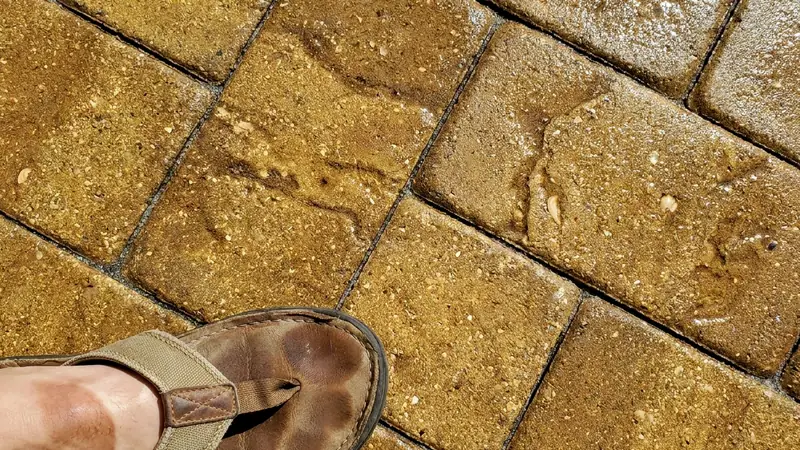
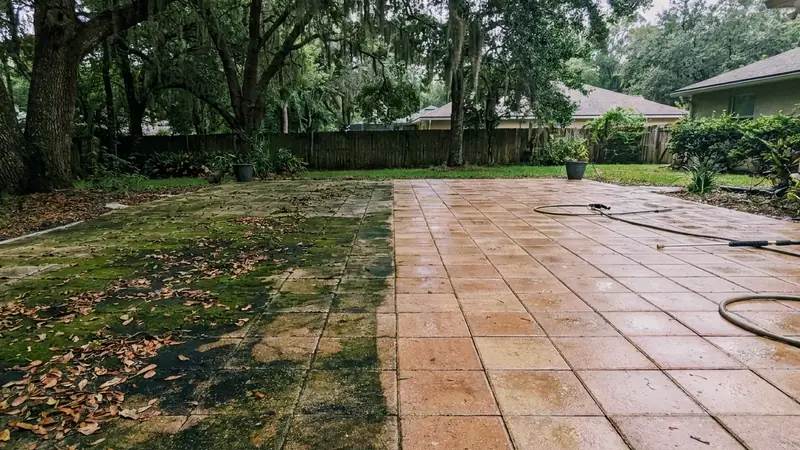
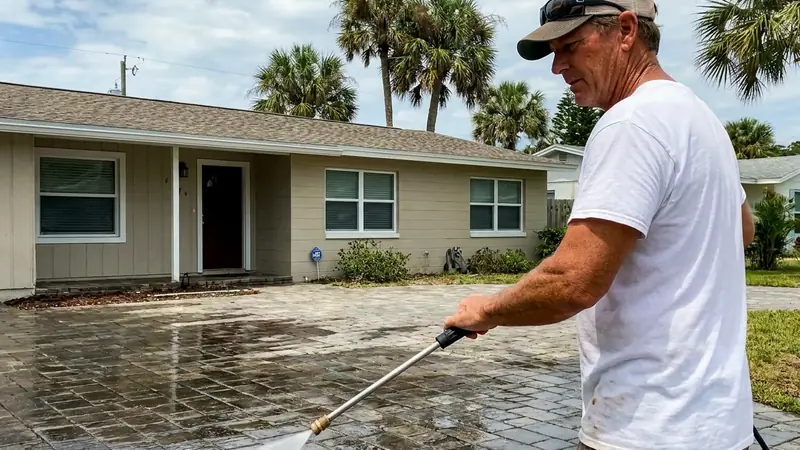
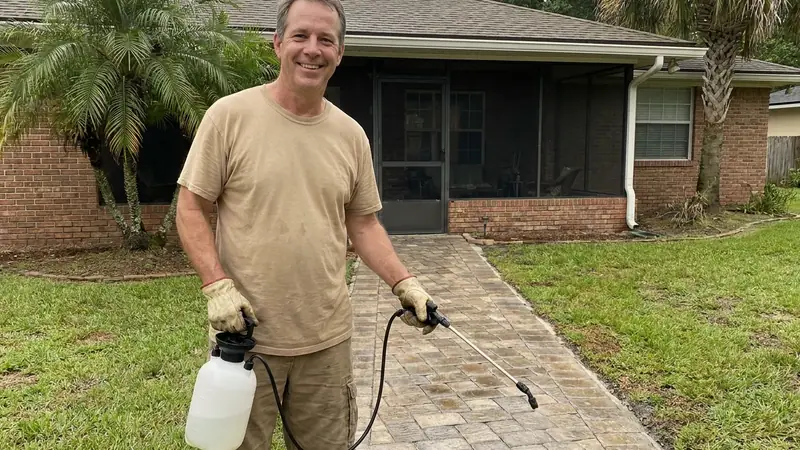
What does a fresh coat of sealer look like on Anastasia Island?
How does the paver sealing process work, step by step?
The paver sealing process follows five steps on most homes, laid out below. To get on the calendar, call (904) 274-8546.
1. Measure and inspect
The contractor measures the area for the sealing quote and checks for low spots, cracks, old sealer, rust marks and where water pools.
2. Protect and wash
Plants get covered and the irrigation timer goes off. The wash stays at or under about 1,500 PSI with the nozzle at least 6 inches away, the limits Western Interlock, a paver maker, gives.
3. Dry and sand the joints
Once the surface is dry, polymeric sand is swept into the gaps. A St. Augustine paver company allows 24 to 48 hours of drying after the sand goes in.
4. Seal in one session
Sealer goes on a dry surface with a pump sprayer, a foam roller or both, and a dry roller lifts the extra. Unilock says to do the whole area in one session so coats do not overlap.
5. Walk it with you
The contractor shows you the finished area and says when feet and cars can return. A St. Augustine paver company puts cars at 24 to 72 hours.
Frequently Asked Questions
Why is paver sealing so expensive?
Most of the price is prep, not sealer. A St. Augustine paver company says heavy mildew, rust marks, failed old film and empty joints push a job to the high end, and a full job runs two to four days, mostly drying. Its published range is about $1.50 to $3.25 per square foot.
How much is paver sealing in Florida?
A St. Augustine paver company publishes about $1.50 to $3.25 per square foot to clean and seal, and says most local jobs land between $500 and $3,000. A 1,000 square foot Anastasia Island pool deck would come to roughly $1,500 to $3,250 at that rate.
How long does sealer last on pavers in Florida?
Unilock, a paver maker, says three to five years, and its notes put a solvent-based coat at four to five with good care. A St. Augustine paver company says two to three years near the Matanzas River or the bayfront and about four elsewhere. The next coat is due when water stops beading.
How much does it cost to re-sand and seal pavers?
Fresh joint sand is part of the clean and seal price, which a St. Augustine paver company puts at $1.50 to $3.25 per square foot. Ask whether polymeric sand is written into your quote, because sand and loose pavers can be priced apart from the coat.
Is it better to spray or roll paver sealer?
Both work, and many contractors use both. Unilock lists a pump sprayer or a foam or short pile roller, then a dry roller to lift the extra so streaks do not form. Even coverage counts for more than which tool laid it down.
What are the downsides of sealing pavers?
The main one is the repeat cost every few years. Unilock also warns that high gloss can turn slick when wet and that a whitish film can show up if moisture is trapped or a second coat goes on too soon.
Does salt air on Anastasia Island wear out paver sealer faster?
It can shorten the life of a coat. A St. Augustine paver company says to reseal every two to three years near the Matanzas River or the bayfront, and about every four years elsewhere. Nicolock, a paver maker, says routine rinsing helps with coastal buildup.
How long should I stay off pavers after sealing on Anastasia Island?
Plan on a day for feet and one to three days for cars. A St. Augustine paver company says foot traffic can return the same day and vehicles after 24 to 72 hours. Unilock asks for up to 48 hours of dry weather while the coat cures.
Can an afternoon storm ruin a sealing job on Anastasia Island?
It can, because sealer needs dry weather to cure. A St. Augustine paver company seals on mornings with no rain forecast for 24 hours so the coat finishes before afternoon storms. Expect the date to move with the forecast.